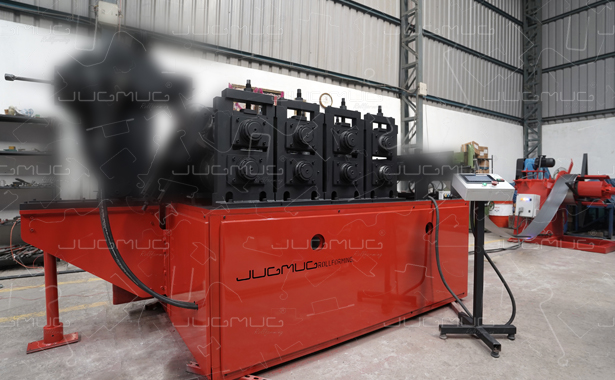
For manufacturers, it is a good opportunity to start a roll forming business if they plan bulk production of high-volume metal profiles. Numerous businesses from a range of industries rely on roll forming products, which is why you must have a factory with roll forming machine.
Without much ado, let’s explore the essential steps to set up a roll-forming line and the mistakes to avoid for the success of your manufacturing unit.
Understanding Roll Forming Technology
The process of roll forming involves metal bending in which the coil passes through roller stations and then takes the shape of the product that you wish to form. Roll forming technology is efficient even in mass production, as it delivers accuracy and can match your output expectations.
A complete roll forming line generally includes:
- Decoiler
- Feeding system
- Roll forming machine
- Punching or cutting unit
- Control system
- Product run-out table or stacking system
The configuration to choose for the roll forming line depends highly on the type of profile you plan to manufacture.
Step 1: Identify Your Product Requirements
Before making the machine purchase, roll forming machine manufacturers must decide what kind of products they plan to manufacture in bulk. This decision can influence the machine design and production capacity selection.
Important considerations include:
- Type of profile
- Material thickness
- Coil width
- Production speed
- Material type (GI, CR, HR, aluminium, stainless steel, etc.)
- Industry application
If you invest in the right system initially, you need not worry later on when there are changes in customer demands as per market trends.
Step 2: Select the Right Roll Forming Machine
One of the most important steps in setting up a roll forming machine factory is to choose the correct machine. While you are new to manufacturing, you must pay attention to the quality and durability of the machine.
Key factors to evaluate include:
Machine Structure
A machine with a robust structure delivers smooth production and longer operations, improving stability.
Roller Material
High-quality rollers of hardened steel deliver longevity and consistency despite long running hours.
Automation Features
Modern roll forming lines include PLC-based controls, touch-screen options, servo feeding systems and other automation features for guaranteed efficiency.
Speed and Output
Production speed of the machine should be high to meet the desired output expectations and ensure quality in all ways.
Ease of Maintenance
You can partner with roll forming machine manufacturers to get custom solutions that have simplified maintenance.
Step 3: Plan the Factory Layout
A well-planned factory layout helps improve the workflow and overall safety, as roll forming lines require adequate space for operation and handling.
When designing the layout, consider:
- Raw material storage area
- Coil loading space
- Machine operating area
- Finished goods storage
- Electrical panel location
- Worker movement and safety zones
You should also ensure proper ventilation, lighting, and power supply within the factory layout.
Step 4: Arrange Power and Utility Requirements
A roll forming machine requires a stable electricity supply for smooth operation, and you must verify your factory’s power infrastructure.
Typical utility requirements include:
- Three-phase electrical connection
- Proper grounding system
- Air compressor for pneumatic systems
- Hydraulic oil systems
- Cooling and lubrication setup
Instability in voltage or electrical supply can damage the machine and cause production interruptions repeatedly.
Step 5: Focus on Tooling and Profile Design
Tooling quality influences precision and machine performance, which is why you should seek support from roll forming machine manufacturers to focus on the desired profile dimensions and material specifications.
Improper tooling design may result in:
- Material deformation
- Profile twisting
- Dimensional inaccuracies
- Excessive roller wear
If you are new to manufacturing, ensure that you work with experienced tooling designers because they can help with smoother profile development.
Step 6: Train Operators and Technicians
Proper training for roll forming machine use can help the workforce understand machine settings and the ways to maintain it properly.
Operator training should include:
- Coil loading procedures
- Machine startup and shutdown
- PLC operation
- Quality inspection
- Emergency safety measures
- Routine maintenance checks
A trained team will always help you meet customer demands and minimise the risk of errors.
Step 7: Implement Quality Control Systems
Roll forming machine manufacturers must always focus on routine inspection procedures to ensure quality control and help build trust.
Common quality checks include:
- Profile dimensions
- Material thickness
- Surface finish
- Hole alignment
- Product straightness
- Cut length accuracy
When you use the right inspection system, it increases your chances of getting final products that align with industry standards.
Step 8: Schedule Preventive Maintenance
New roll forming machine manufacturers must set up preventive maintenance procedures for extended machine life.
Routine maintenance benefits include:
- Improved production efficiency
- Reduced repair costs
- Longer equipment lifespan
- Better product quality
- Lower operational interruptions
Conclusion
Setting up a roll forming line is not a one-discussion thing but something that requires careful planning to ensure long-term success.
For new manufacturers, working with an experienced roll forming machine supplier can simplify everything. A properly designed roll forming line will deliver production efficiency with quality products that are in demand in the market.